Saltburn CC click-gate: what we know after the suspension
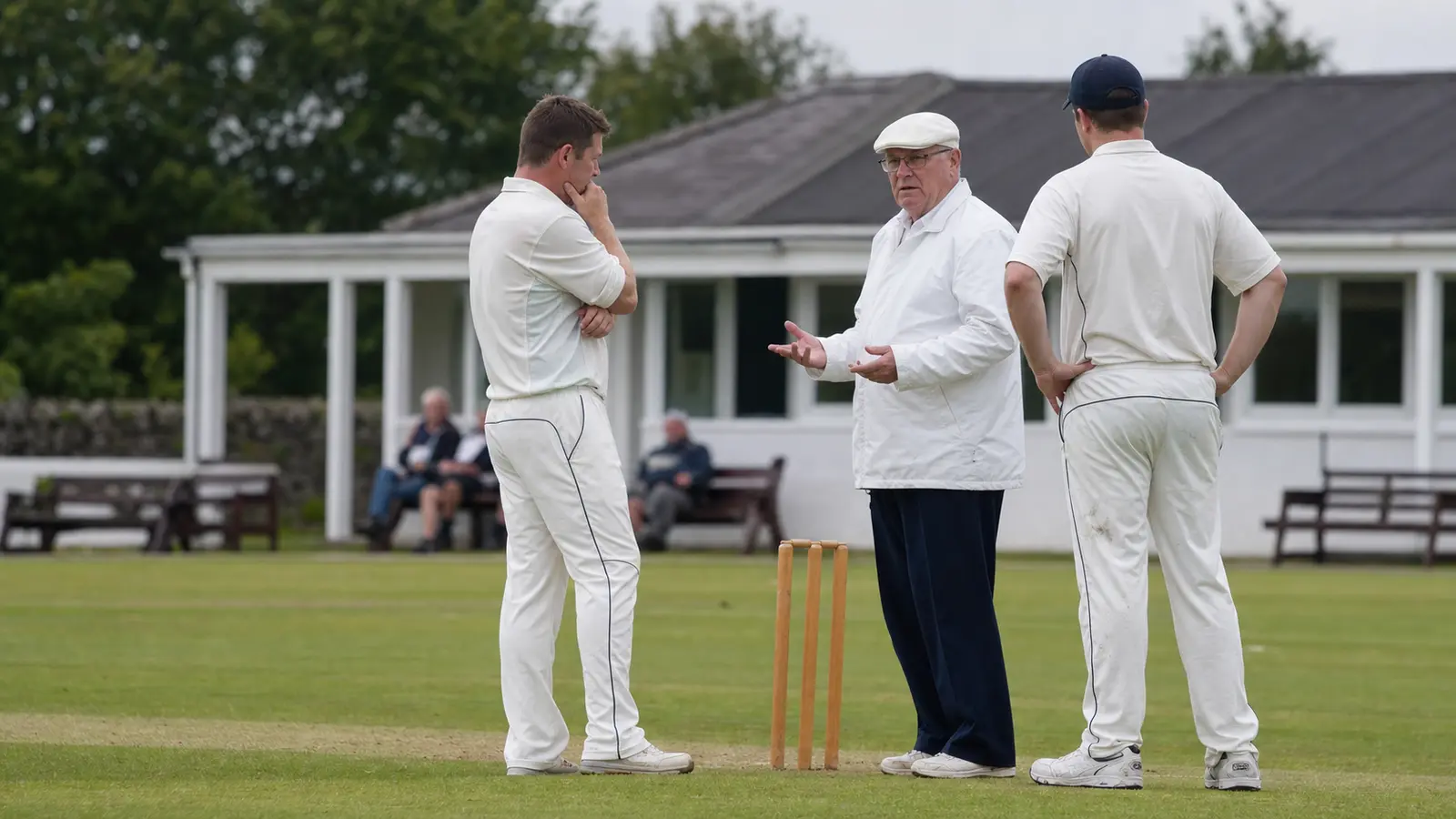
A North Yorkshire club cricket side’s second XI has been pulled into one of the stranger cheating allegations of the English recreational season after a clip of a fielder apparently clicking his fingers to mimic an edge went viral on July 27, 2026. Saltburn CC moved on July 29 to suspend the fielder concerned for the rest of the campaign and into the foreseeable future, days after the North Yorkshire and South Durham Cricket League opened a formal investigation into the match against Norton CC on July 25.
The team on the receiving end of the dismissal is owed an apology and a corrected record, and the league now has to decide whether the match itself has to be reopened, the result altered, or a broader sanctions process opened. For everyone watching from the longer-form game, the row is a reminder that recreational cricket is now lived in public: a ball-by-ball archive, a phone, and a social feed are enough to put a club under national scrutiny within 48 hours.
What the camera actually showed
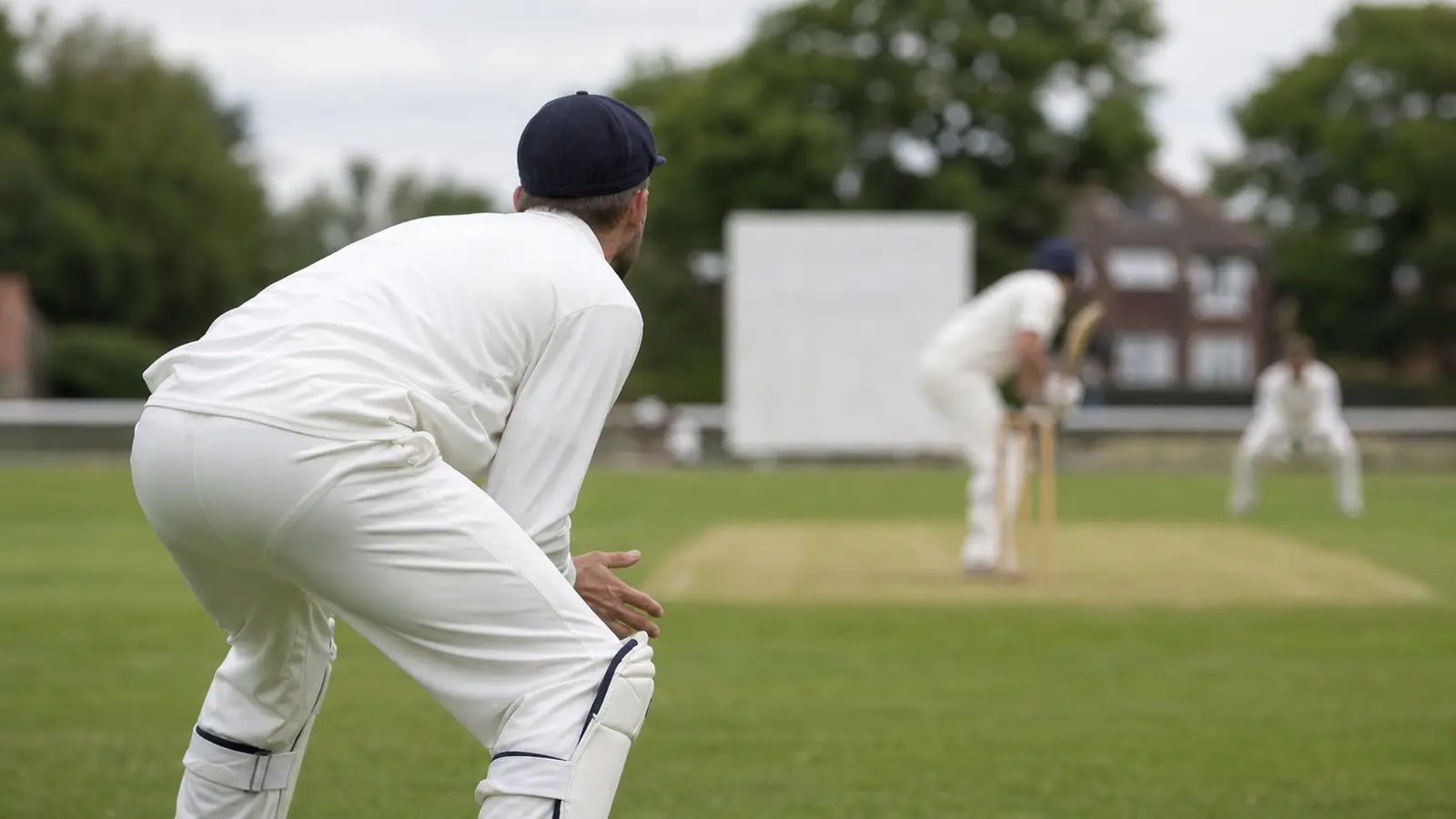
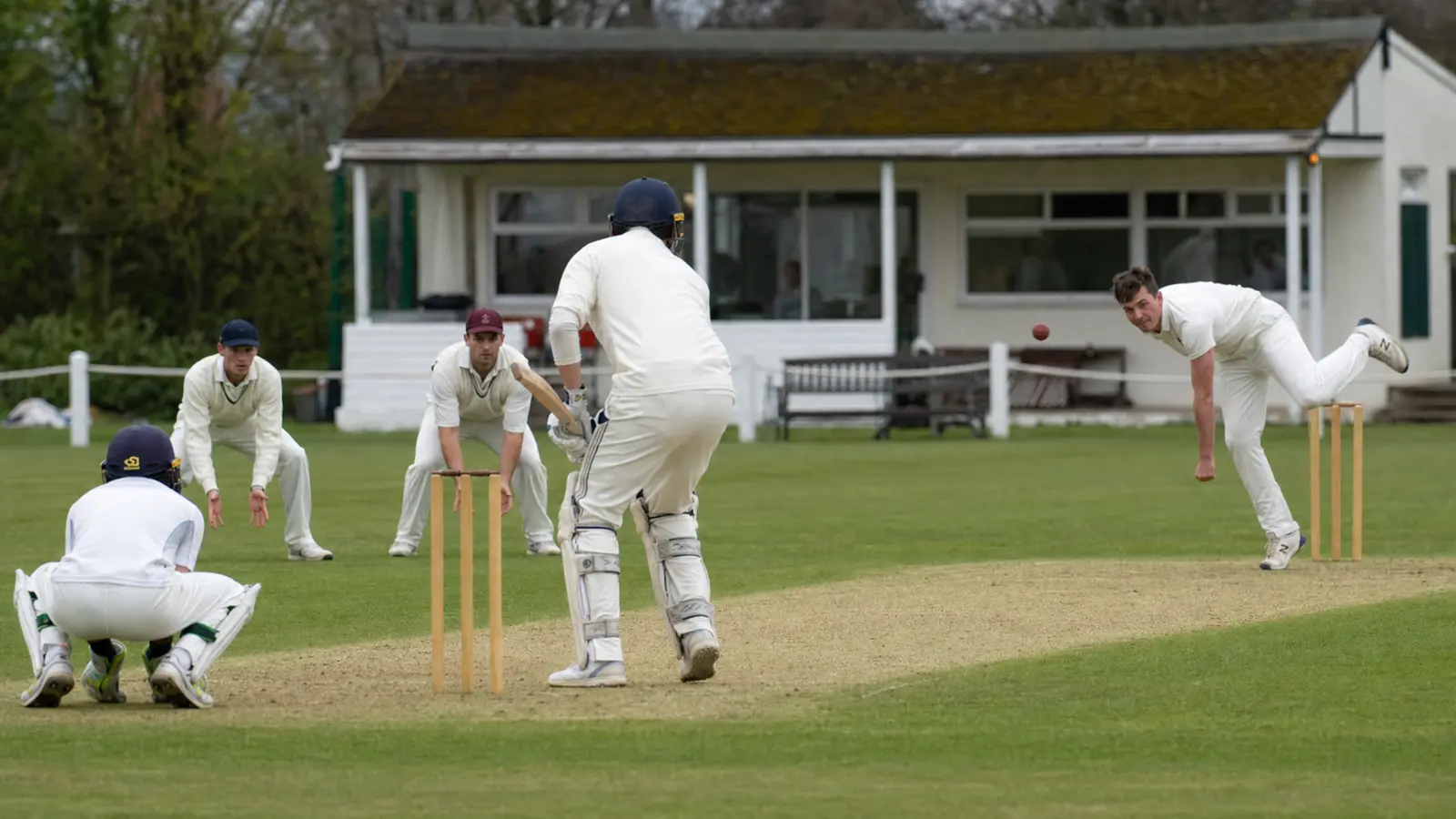
The matter turns on a single delivery in the second innings. Norton, chasing a revised total against Saltburn second XI on July 25, were 39 for 2 when a Norton batter shaped to cut a ball that pitched outside off and beat the bat. The first-slip fielder, named by the Daily Mail and the Telegraph as club batsman Brian Devine, was captured on the ECB’s Play-Cricket live stream apparently clicking his fingers in the moment the ball passed the bat, an action that the umpire at the bowler’s end read as a thin edge and turned into a caught-behind decision.
Saltburn’s second XI went on to win the fixture by 159 runs, so the result itself is settled on the field. What is not settled is whether the dismissal should stand. The framing of the clip — slow, deliberate, and looking nothing like a bat-on-ball moment — is the reason the footage travelled. Anyone who has watched a slip cordoned knows the difference between a nick and a sound that has been manufactured, and the clip shares that difference with the viewer in a way that makes the original decision hard to defend.
How an amateur clip broke the internet
The footage was pulled out of the archive by Durham amateur cricketer Ben Mummery, who posted it on X on July 27, 2026, tagging @talkSPORT, @bbctms, @SkyCricket and @TailendersPod. The clip was captioned as one of the worst cases of cheating he had seen on a cricket field, and the post was reshared enough times by the following morning that Piers Morgan used his own X account on July 28 to label Devine, nicknamed “Clicky Ponting” by then, “the biggest cheat in cricket history” and accused “various teammates at Saltburn CC” of being part of a “shameful scam for years.”
That second claim — the suggestion that this was a long-running pattern rather than a one-off piece of bad behaviour — is the part that has travelled furthest. It is also the part that the league and the club have to either disprove or answer. The accusation that one fielder may have been doing this for several seasons is structurally different from one bad decision in one innings, and the difference matters both for any disciplinary outcome and for the reputation of a club that has played North Yorkshire club cricket for decades.
Whether the wider accusation holds up is not settled. Reviewers who went back into the club’s earlier Play-Cricket archive noted one striking anomaly: against Shildon Railway on July 18, the wicketkeeper was credited with eight catches in a single innings. The global record for a men’s Test innings sits at seven dismissals, set over roughly 2,600 Tests and 150 years of the format. Eight catches to one glove in a club game is not, on its own, evidence of cheating — it is the kind of stat that gets a wicketkeeper a beer in the clubhouse, not a tribunal — but it is the kind of figure that invites a closer look once questions are being asked.
What Saltburn CC actually said
The club’s official statement on July 29 stopped short of pre-judging the league’s investigation. It said the player had been suspended and would not represent Saltburn again this season or “in the foreseeable future” pending the outcome of the inquiry. The wording matters because it leaves the door open to a longer sanction if the league reaches a harsher conclusion, and it stops short of an outright expulsion or a permanent ban, which the club cannot impose unilaterally under the league’s rules.
Devine, when contacted by the national newspapers in the immediate aftermath of the statement, declined to comment. He told the reporters who reached him that he could not discuss the matter and that he was at work. That is the only on-record response he has given, and it is the one the club can defend while the inquiry is live.
The first post-scandal fixture the club was due to play was called off, with the club saying it could not raise a team because of holiday commitments. That explanation has been read in two ways. Supporters of the club note that July is the worst month of the recreational calendar for availability, and a second XI especially is at the mercy of when members can take leave. Critics read the abandonment as further evidence that the squad, or parts of it, do not want to be on the same field while the league is still making up its mind. The club has not produced a detailed statement explaining the cancellation beyond the holiday line.
What the league can actually do
The North Yorkshire and South Durham Cricket League acknowledged the complaint on July 27 and confirmed on July 28 that a formal investigation had been opened into the July 25 fixture. The league’s disciplinary route is well-worn but slow. Match officials, scorers, and the umpires who stood in the game will be asked for statements; the club will be given the chance to respond; and a panel will decide whether the result stands, whether the bowling figure is changed, whether the batting side loses the wicket, and whether individual players are charged with bringing the game into disrepute.
The maximum individual penalty at this level is rarely a career-ender. Most leagues reserve the heaviest sanction — a multi-season ban — for cases involving betting, deliberate underperformance, or repeat offences. A single act of on-field deception, if that is what the panel finds, would more typically be punished with a fixed-term suspension already partly served by the club’s own July 29 ruling, a formal reprimand that becomes part of the county record, and a written warning that the next one will be treated as a pattern.
The harder question is the status of the match itself. Leagues have the power to overturn a result where the umpire’s decision was the product of deception by a fielder, but the threshold is high because match results are usually treated as final once the scores are agreed and signed. Norton, the side on the wrong end of the dismissal, has not yet publicly asked for the result to be reopened. Whether they do — and whether the league acts on it — will set the precedent for any future clip that surfaces from a club game’s live stream.
What cricket at every level takes from this
The clip matters beyond the North Yorkshire second XI because club cricket is now broadcast by default. The ECB’s Play-Cricket platform has been the league’s official scoring and live-streaming system for years, and most clubs in the top three divisions of every county league stream at least one of their grounds each Saturday. That infrastructure was built for the players and spectators who want to follow the game later in the week, for opposition scouts, and for parents who cannot be on the boundary. It has now produced a documentary record of an alleged act of cheating that anyone with a phone can lift, slow down, and post.
The pattern is not new — the Ashes baler, the various ball-tampering sagas, the spirit-of-cricket debates of the 2010s — but the layering is. A first-class footage team and a rolling Sky feed used to be the only places where these moments could be re-examined. Now a club live stream does the same work and costs nothing to share. The recreational game is going to have to learn, fairly quickly, that the standard for what counts as visible deception is lower than it was a decade ago, and that the players who cross that line can no longer rely on the footage staying inside the clubhouse.
For fantasy and club cricket readers on this side of the world, the practical takeaway is closer to home. Recreational cricket in England, in white-ball leagues across the subcontinent, and in the social leagues that run alongside the formal club pyramid is filmed more often than it has ever been. Players who have grown up assuming that the boundary rope is the edge of the record will need to live with the fact that the record now extends to the live stream, the phone recording, and the social feed. The Saltburn clip is the first time a player has been publicly named and suspended for a slip-fielding deception in a club fixture. It will not be the last.
What to watch next
The North Yorkshire and South Durham Cricket League has not put a date on the conclusion of its investigation. The realistic window is two to four weeks from the date of the complaint, which would put the panel’s verdict in the second half of August. By that point, the recreational season will be inside its closing programme, and any ban that the panel imposes will begin to bite into pre-season 2027 rather than the back end of the current campaign.
Two decisions are worth keeping an eye on. The first is whether the league formally overturns the dismissal against Norton or opens the result back up. The second is whether the panel finds evidence that the fielder had done this before, in which case the sanctions will be heavier and the club’s own eventual statement will have to address a pattern rather than a single clip. Further reading on the wider English recreational scene and how coverage of club cricket is changing sits in the Real11 India Blog.
If you only remember three things
- Saltburn CC’s second XI beat Norton CC by 159 runs on July 25, 2026, but a caught-behind decision in the second innings is under investigation after a clip appeared to show the first-slip fielder clicking his fingers to mimic an edge.
- The North Yorkshire and South Durham Cricket League opened a formal investigation on July 28, and Saltburn CC suspended the player on July 29. The club’s first fixture after the statement was cancelled for what the club described as holiday availability.
- The wider accusation — that this was a longer pattern rather than a one-off — is the issue the league will have to resolve. The wicketkeeper’s eight catches in an innings against Shildon Railway on July 18 is the specific historical figure reviewers have been pointing at.