Why County Cricket Still Shapes England Team Selection
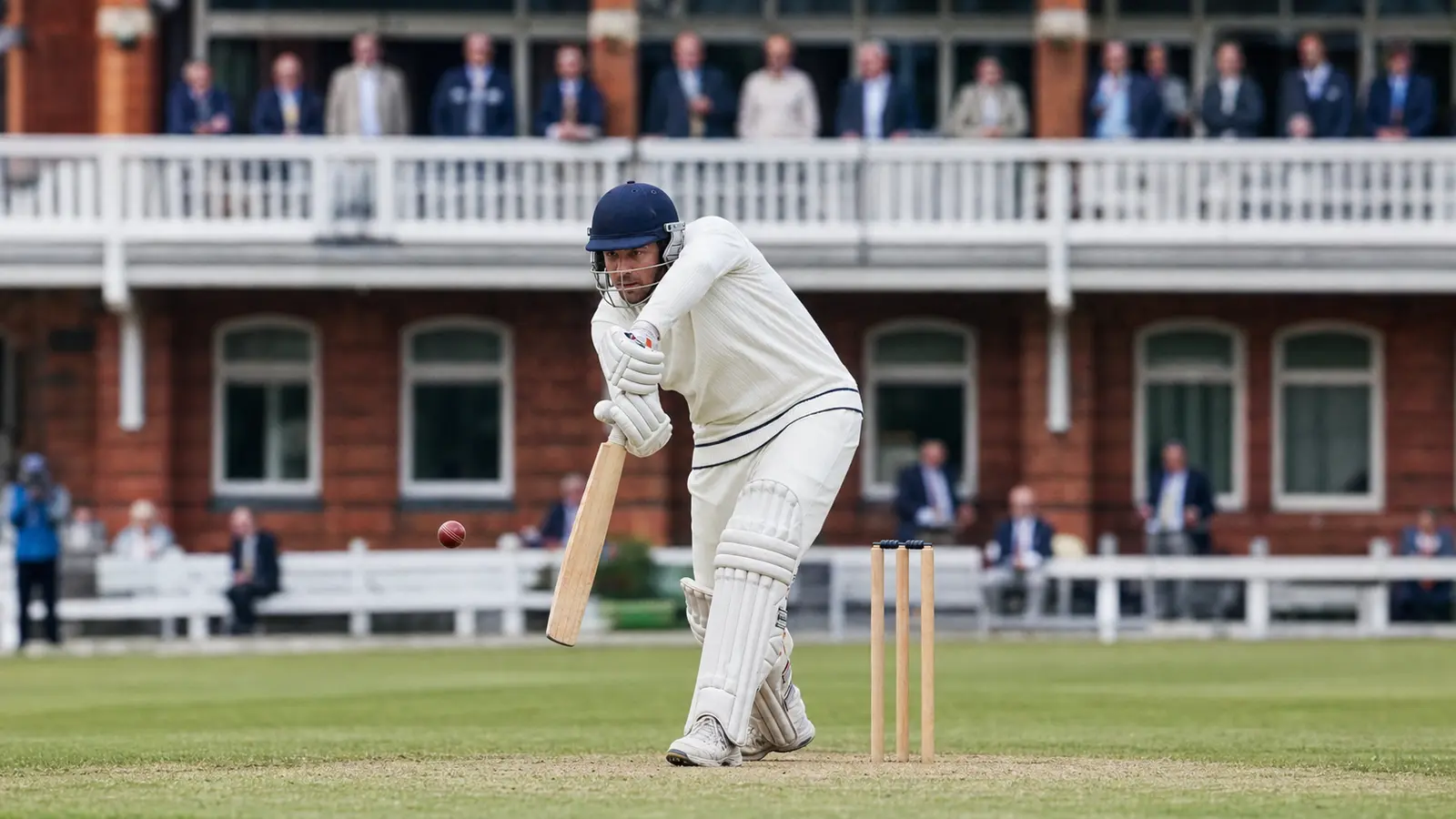
England’s Test selectors still make their first calls after the April county schedule, not after the league auction headlines. The reason sits in the pitches, the workloads, and the gaps central contracts leave behind.
Where Test selection still starts
Franchise cricket gets the louder headlines, but the room where England’s Test squad is shaped is still the County Championship. Each April, the county grounds fill with scouts who are looking for things the scorecard does not record. They are watching how a batter works the ball after the first ten balls, how a seamer holds his length when the ball is 35 overs old, and how a captain manages his fields when the new ball is twelve overs away.
For England’s red-ball selectors, the Championship is the closest rehearsal to a Test match that the domestic game can offer. The runs count, but they are read against conditions, opposition, and what the bowler on the other side was doing. That is the lens used throughout to walk through what makes the county circuit indispensable to England selection.
If you follow England cricket closely — or build a fantasy team around English Test players — the Championship schedule is the layer between the international windows where form actually moves. Ignore it and your read on selection is at least a fortnight behind.
What an April pitch asks of a batter
April and early May pitches in England are usually moist and grassy. The cooler air keeps the ball from softening quickly, so seamers who can move the ball off the surface get reward in the first hour. For batters, that means footwork that survives an uneven bounce and a leaving game that knows when the ball is just short of a drive. The selectors read that as a measure of how a player will respond when conditions are not in his favour.
A century on a placid August surface tells selectors one thing; a fifty on a green seamer in mid-April tells them something else. The same player can appear very different across the season, and the selectors are careful to weigh conditions before praising a run. Cooler weather, lateral movement, and uneven bounce also punish the kind of footwork that slips in warmer conditions, so a player who can leave the ball and play late under pressure has the technical control selectors want to test against India or Australia.
The pattern matters for fantasy readers too. A batter who has averaged 35 in April and 50 in July is not the same player across formats. The selectors know this, and the Championship is the only place where they can watch it for free.
Central contracts open the door for county players
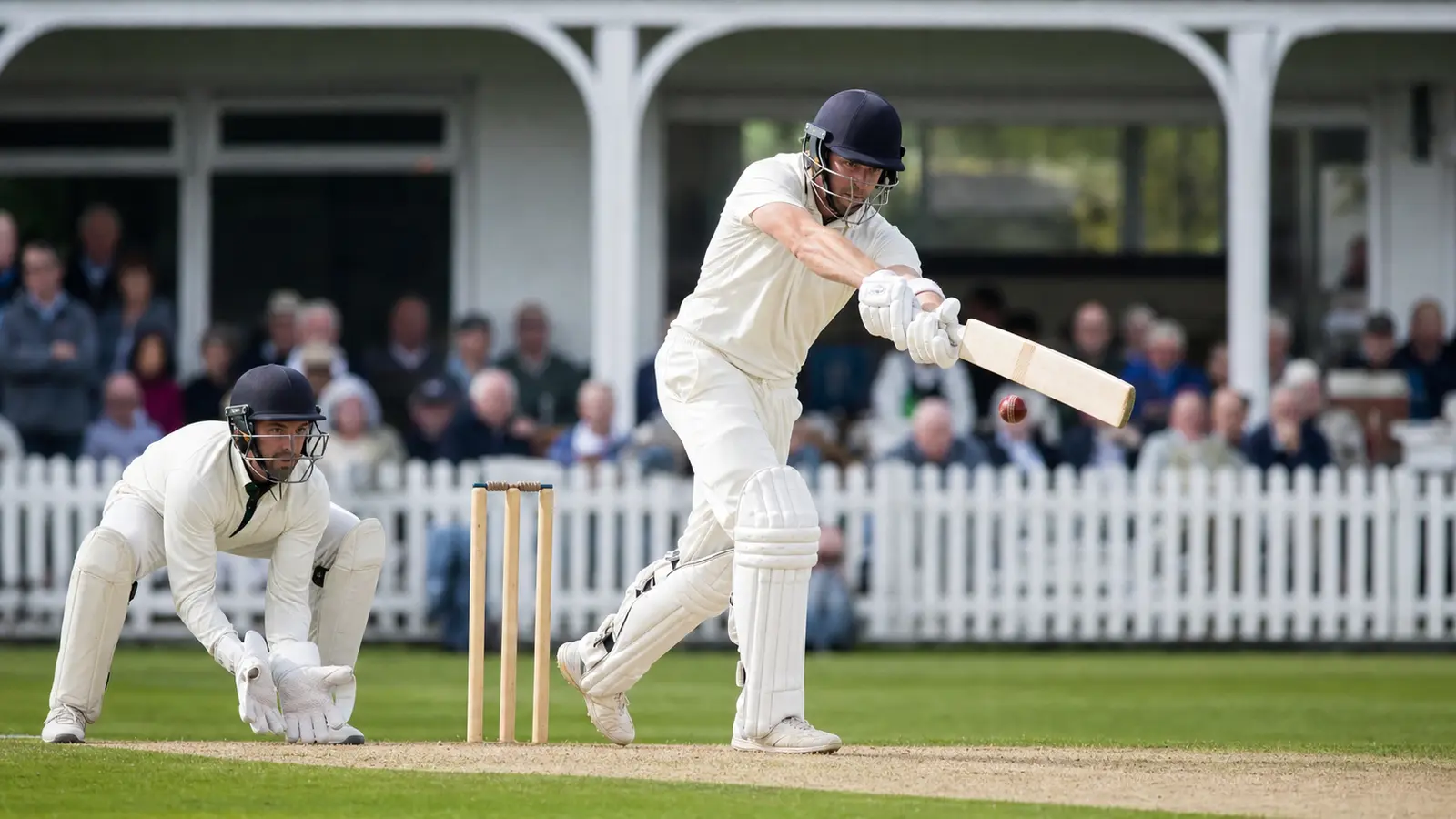
England’s central contract system means that the leading international players routinely miss County Championship matches. England duty, workload management, or training blocks take them out of the domestic four-day game for weeks at a stretch. That absence is not a side effect; it is the design.
When a centrally contracted batter or seamer steps out, counties have to fill the gap. The young player who was waiting on the bench gets a run. The seamer who had been threatening in the second XI gets a debut. The all-rounder who has been waiting for a chance in the middle order gets to spend a day at number four. These are not friendlies — the results move the Division One table.
Selectors know that the Championship is the only place where these replacements can be tested under pressure. A young seamer who bowls twenty overs on a flat track with the wind behind him looks ordinary. The same seamer, coming on with the ball 45 overs old on a green Lord surface, has to find a different length. That pressure test is what the international schedule does not provide.
The gap also lets selectors look past the headlines. A player who has been talked about for two seasons can finally play the innings that turns talk into a cap. A new name can come out of nowhere after three quiet matches. The Championship is the only level where that mix is possible, and the contracts are the only reason it happens.
What the spell count reveals about a fast bowler
In a four-day Championship match, a frontline seamer will typically bowl more than twenty overs a day at a minimum. That is the simplest figure, and it is the one that frames every other test the selectors run. In T20 cricket, the same bowler is restricted to four overs; in one-day cricket, the limit is ten. The Championship is the only format where selectors can see whether a fast bowler can bowl long spells, hold his pace deep into the day, and recover well enough to come back strong on day three.
That is information no other format can supply. The selectors want to know how a bowler looks in the thirtieth over of a spell, not the fourth. They want to see the third spell of the day, after a long lunch, when the body has already taken a load. Stamina, recovery, and the ability to keep hitting a hard length after a long run are the markers they care about — especially when the bowler is returning from injury.
Completion of a Championship match is itself a marker. A bowler who plays all four days, even on a flat track, has shown that his body can withstand repeated strain. Combined with the medical tests run before a Test recall, the Championship gives selectors a continuous read on a bowler’s workload that the white-ball schedule simply cannot match.

Promotion and relegation sharpen the competition
Every Championship match is meaningful because of the two-division structure. The bottom two teams in Division One are relegated each season, and the top two from Division Two go up. That changes how a player approaches a quiet mid-table game against a team that has nothing to play for.
A team fighting relegation plays with a different awareness. Every session matters. A batting collapse on the third morning is not a footnote; it is a six-point swing. The selectors know that the pressure of a relegation match is the closest a county game comes to a Test match in terms of mental load. A hundred in that context, or a five-wicket haul with the game on the line, is what moves a name from the squad list to the team sheet.
Division One is the strongest of the two divisions — the top ten counties — and the selectors weigh that into the reading. A fifty in Division One against a bowler who has been on a Lords honours board counts more than a hundred in Division Two against a side that has already conceded the title. Both are real achievements, but the selectors calibrate their expectations accordingly. Late-season matches, when promotion and relegation are still in the balance, are the closest the domestic calendar gets to a knockout.
Red-ball form still predicts Test readiness best
A red-ball innings that lasts six or seven hours is a different examination from a fifty-ball knock in a T20 chase. The batter who can build a long innings, then come back on day three with the second new ball, has answered a question that the shortest formats cannot ask. Selectors want batters who have done that work, not just batters who have hit a quick run in a one-day international.
For bowlers, the difference is just as clear. A five-wicket haul in one innings could be a friendly track, a flat pitch, or a one-off spell. A five-wicket haul across a season of Championship matches, against different teams in different conditions, is the evidence selectors trust. One five-for is luck; five across a season is skill.
Repeated performance across several matches is the strongest predictor. A single good score, a single good spell, is the kind of variance that selectors are careful to discount. The Championship gives them the volume to discount it. A player who has produced three strong innings against three different attacks across April, May, and June is making a case that no single performance can match.
What selectors are watching this season
Three threads will be in the selectors’ notebooks through the early part of the English summer. The first is the open batting slot in the middle order, where Championship runs will be weighed against white-ball form more carefully than usual. The second is the seam-bowling depth chart, where the workload data from the first six rounds of the Championship will feed directly into the Test squad for the early summer series. The third is the all-rounder conversation, where the dual demands of bat and ball often show up first in the county four-day game.
For fantasy readers tracking English Test players, that gives three windows to watch. The first six rounds of the Championship shapes the early Test squad. The June window, when promotion and relegation tighten, sharpens the middle of the squad. The late-summer matches, when the season is closing, often settle the question of who is in the touring party for the winter.
The next fixture to watch
The Championship resumes with a full round next week, and the opening matches of that round are the first clean read on form after the early-season break. The selectors usually name a Test squad within ten days of that round finishing, which makes the County Championship round the most direct route into an England squad. Watch the openers, the seam-bowling workloads, and the Division One relegation matches — those are the fixtures that will quietly move the squad list before the next international window.
For readers who follow England cricket through fantasy contests, the Championship is the layer that decides who is in the squad before the international schedule gives the next clue. The scores are smaller, the crowds are quieter, and the headlines are fewer — but the decisions start there. Continue the read with the rest of the Real11 India Blog for more county-season notes and selection-window explainers.